
"Ethiopian highlands"
900 article(s) found
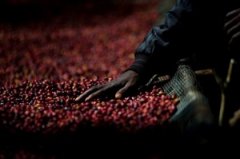
The hometown of African coffee Ethiopian boutique coffee beans
Ethiopia Coffee producing area: the full name of the Federal Democratic Republic of Ethiopia (formerly known as Abyssinia) is a country located in northeast Africa. English name: The Federal Democratic Republic of Ethiopia, Ethiopia is the country of origin and hometown of coffee. The most famous coffee beans in Ethiopia are Yega Xuefei and Harald.
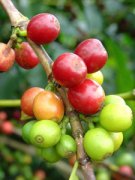
Production and processing of coffee flavor of Ethiopian coffee beans
Ethiopia's geographical environment is very suitable for coffee growth. Coffee is mainly grown in the southern highlands between 1100 and 2300 meters above sea level. The main coffee producing areas are Harar, Limu, Djimma, Sidamo, Kaffa, Yergacheffe and Wellega. The soil drainage in these areas is good.

A brief introduction to the characteristics of the country of origin of Ethiopian Bancimaji coffee beans
A brief introduction to the Manor characteristics of the Origin of Ethiopian Bancimaghi Coffee Coffee Harald coffee produced in the southeastern highlands of Ethiopia is a typical Muha coffee with strong aroma; Habesa coffee is mild, full-bodied and sour. Astor coffee is more chocolate and sour. The estate is owned by Gashaw Kinfe Desta and is very close to Geish.
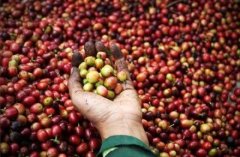
Introduction of African Fine Coffee Bean producing countries-- Ethiopian Yegashifi Coffee Sidamo Coffee
Ethiopia is an agricultural country with a history and tradition of coffee origin. The place where the name coffee comes from is Kafa in the southwest, while the Sidamo place in the south is the main producing area, and Yegashafi is one of the southern producing areas of Sidamo. The Eastern Highland Hara is as famous as the coffee name Hara. Ethiopia is an important coffee producer.

Ethiopian Yega Sheffivoka Coffee Flavor description introduction to the taste of fine coffee beans in the producing area
Located in the most advantaged natural conditions, Ethiopia produces unique high-quality coffee every year. Ethiopia's coffee growing cycle brings the joy of harvest to the country every year. Beautiful white coffee flowers will bloom and bear fruit every year from March to April. Only the reddest and ripe fruits will be selected between September and December.

Coffee beans small, aromatic Ethiopian coffee beans grinding degree roasting degree processing method brief introduction
The world-famous Ethiopian coffee mainly includes: 1. Limu coffee grows between 1400 meters and 2000 meters above sea level. washed coffee. Excellent quality, with intense nutty aromas, moderate acidity and wine intensity. Annual production of 29,000 tons. Gima coffee grows between 1400 and 1800 meters above sea level. Sunburn coffee. Slightly sour, nutty and long finish. annual output of

Ethiopian coffee is a coffee bean.
Origin: The Federal Democratic Republic of Ethiopia (formerly Abyssinia) is a country located in northeast Africa. The Federal Democratic Republic of Ethiopia, Ethiopia is the country of origin of coffee and the hometown of coffee. The most famous Ethiopian coffee beans are: Yega Shefi, Harald, Sidama Mocha Coffee

Soft acidity Ethiopian coffee estate producing area Flavor Taste characteristics Fine coffee beans Introduction
In February 1977, Lieutenant Colonel Mengistu Haile Mariam launched a military coup and served as Chairman of the Provisional Military Administrative Council and Head of State. In 1979, the Organization Committee of the Ethiopian Working People's Party, dominated by military personnel, was established to implement a one-party system. In 1984, the Ethiopian Workers 'Party was formed on the model of the Communist Party of the Soviet Union. Mengistu, September 1987

A brief introduction to the characteristics of Starbucks Ethiopian Coffee Bean Story and Historical taboo patterns
A brief introduction to the characteristics of Starbucks Ethiopian Coffee Bean Story Historical taboo patterns Ethiopia produces a total of 200000 to 250000 tons of coffee a year. Today, Ethiopia has become one of the largest coffee producers in the world, ranking 14th in the world and fourth in Africa. Ethiopia has unique and different flavors for the whole world.

Sidamo coffee tastes Ethiopian Sidamosi Dama candlelight
Sidamo grows in the southernmost Ethiopian plateau between 4600 and 7200 feet above sea level (Sidamo province). It is a famous boutique coffee area in southern Ethiopia, bordering Kenya, southeast of Gemma and just south of the capital. It is usually sweet and favored by most people. Its annual output is about 225000 bags / 60kg. The bean body is smaller than Longberry, with gray in the green.

Ethiopia's highlands are the birthplace of coffee
The Ethiopian plateau is the birthplace of coffee. In the east, near Harrar, the ancient capital, mocha beans (Harrar,Harari,Harer or Harar) are still produced by traditional drying methods at an altitude of about 2,000 meters above sea level.
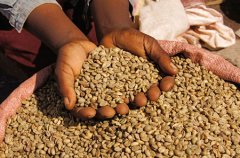
Ethiopian boutique coffee introduces Ethiopian boutique coffee to grow African Arabica coffee
Ethiopia is one of the major producers of Arabica coffee in Africa, producing the best Arabian coffee in the world. It is said that coffee was first discovered by shepherds in Essekafa, and the name of coffee evolved from Kafa, so Essex is still the hometown of coffee. The geographical environment of coffee production and processing is very suitable for coffee growth. Coffee is mainly cultivated.

Introduction to the Flavor and Taste characteristics of Ethiopian Coffee Farm
Located in the most advantaged natural conditions, Ethiopia produces unique high-quality coffee every year. Ethiopia's coffee growing cycle brings the joy of harvest to the country every year. Beautiful white coffee flowers will bloom and bear fruit every year from March to April. Only the reddest and ripe fruits will be selected between September and December.

Aromatic Ethiopian coffee growing environment Flavor Taste Introduction
Located in the most privileged natural conditions, Ethiopia produces unique high-quality coffee every year. Ethiopia's coffee growing cycle brings harvest joy to the country every year. Beautiful white coffee flowers bloom and bear fruit every year between March and April. Only the reddest and most mature fruits are selected between September and about December

Description of Origin and Flavor of Ethiopian Coffee introduction to the characteristics of Coffee produced by Taste treatment
The origin and flavor of Ethiopian coffee describes the characteristics of varieties produced by the method of taste treatment. Legends about the origin of coffee are varied, but most of them are forgotten because of their absurdity. However, people will not forget that Africa is the hometown of coffee. Coffee trees are likely to be found in Ethiopia's KAFFA province. Later, groups of slaves came from Africa
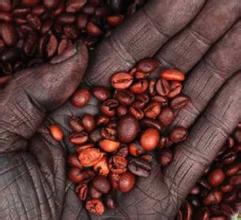
Boutique coffee beans the latest Ethiopian coffee introduces unique flavor and full taste
Ethiopia's geographical environment is very suitable for coffee growth. Coffee is mainly grown in the southern highlands between 1100 and 2300 meters above sea level. The main coffee producing areas are Harar, Limu, Djimma, Sidamo, Kaffa, Yergacheffe and Wellega. The soil drainage in these areas is good.

A brief introduction to the Flavor, Taste and aroma characteristics of Fine Ethiopian Coffee beans
Ethiopia grows coffee in different climatic zones, so it has more than 140 farm varieties, and fresh coffee is produced all the year round. The quality of Ethiopian coffee varies according to different elevations and regional ecological environment. The Harar coffee in the southeast highland is a typical Muha coffee with a strong flavor; the coffee produced in the southwest Wollega has a rich fruity flavor; Limu coffee

Introduction to the flavor and taste characteristics of Ethiopian coffee manor with fragrant and mellow smell
Ethiopian coffee beans grow in close to the natural environment. After years of planting under the same growth conditions, Ethiopian coffee beans have gradually adapted to the environment here. More than 60% of coffee beans are grown in forests or semi-forests. Large-scale coffee-growing villages account for about 35% of the country's total coffee production.

The Development of Ethiopian Coffee beans in the course of Coffee Harald Coffee
Harar Harald, a name that reflects the rise and fall of Ethiopia. The Montenegro region of Harald is by far the only place in the world with wild coffee, which is auctioned in London every year. The secret of producing high-quality coffee is that coffee farmers have developed a coffee culture in a suitable environment through repeated learning of the coffee planting process for several generations.

Coffee Historical Origin Development Culture Ethiopian Coffee Culture Coffee Origin Myth
Coffee was first found in the Kaffa region of southwestern Ethiopia, and it is said that a shepherd named Kaldi found that his goat behaved strangely after eating cherries he found growing on a tree there. Kaldi personally tasted the cherries and shared them with his neighbors, who all felt a similar effect and were significantly more energetic. Ethiopia